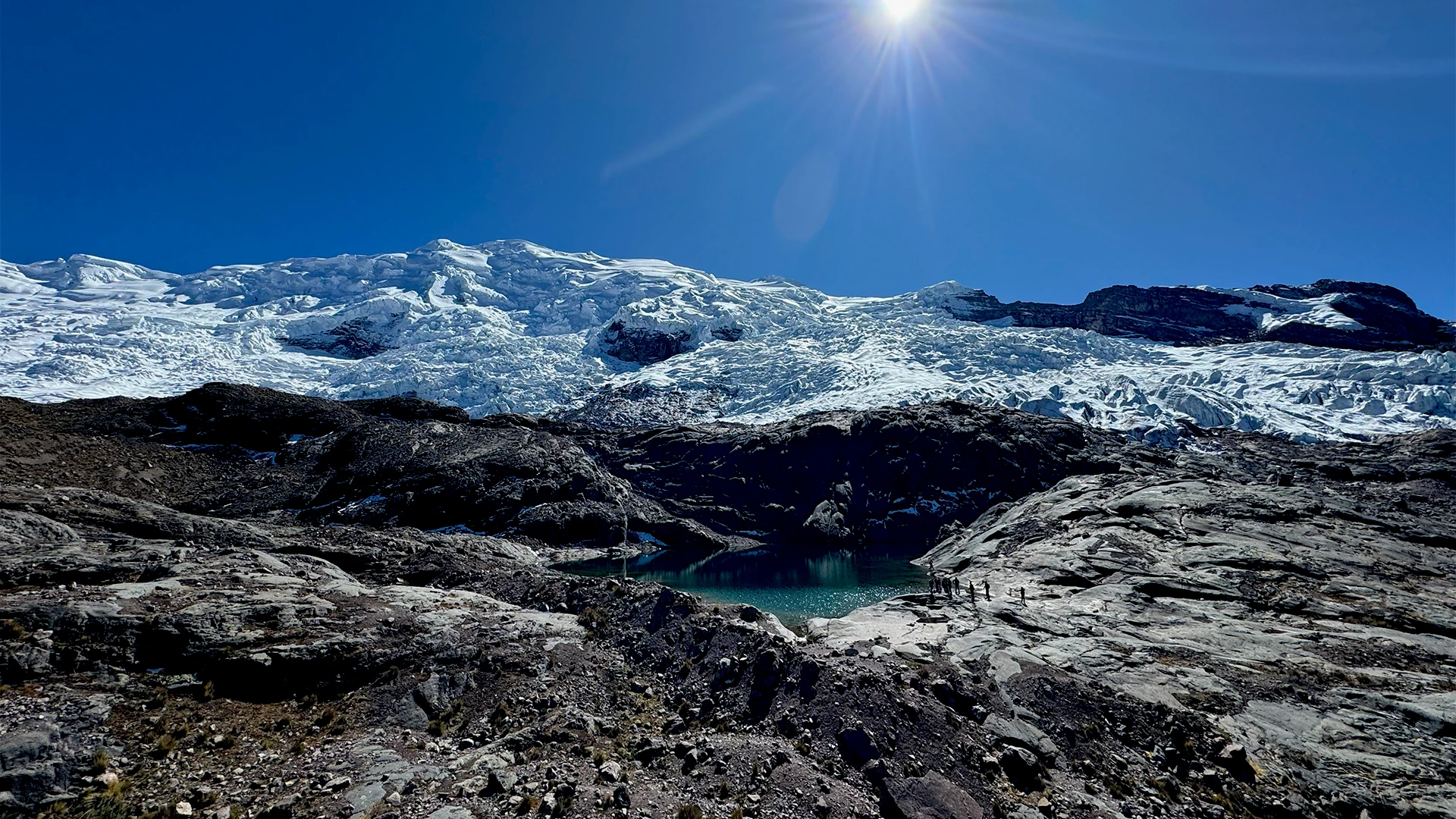
1) General Information
Duration: 12 hours (Full Day, departure at 4:00 a.m. and return at 5:00 p.m.). Maximum altitude: 5,100 m.a.s.l. at the glaciers. Difficulty level: Easy (Level 1). It is a walk of only 40 minutes to 1 hour over mostly flat terrain. Best season: April to October (Dry Season)
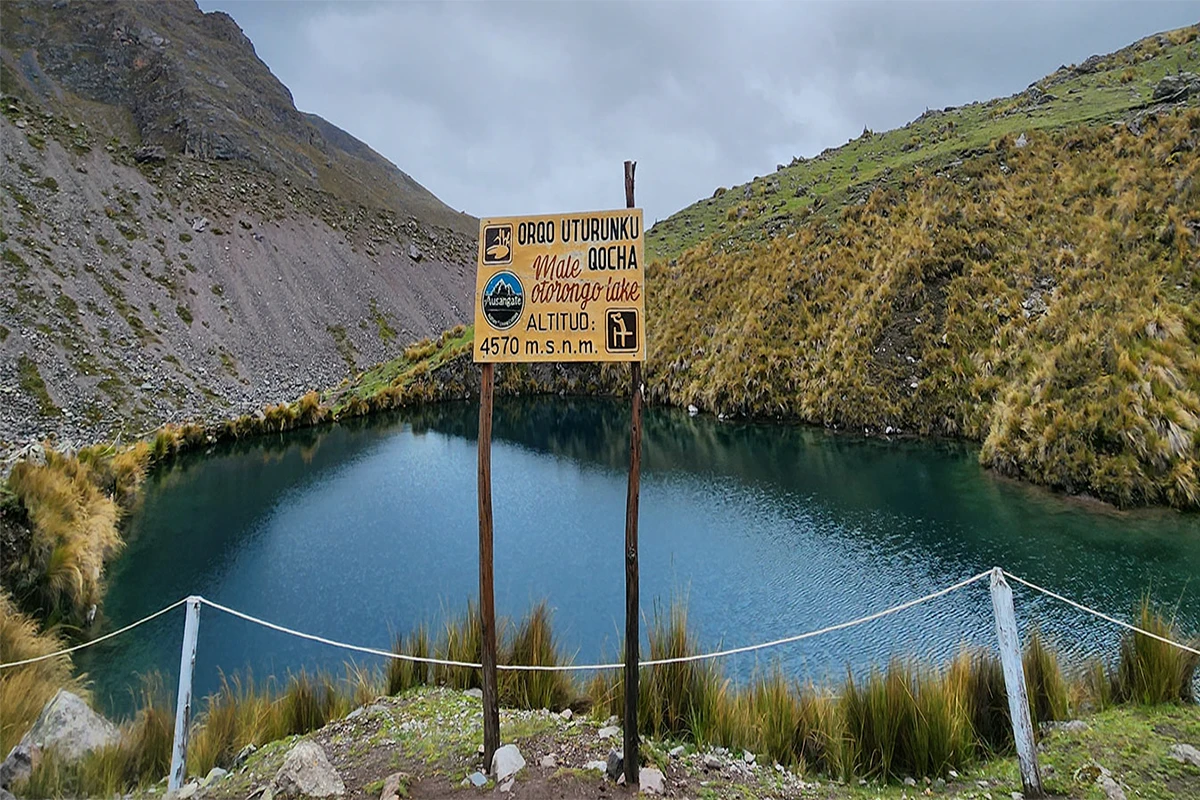
7 Lagoons of Ausangate
Colorful lagoons formed by the melting ice of the Ausangate snowcapped peak
7 Lagunas de Ausangate
Lagunas de colores formadas por el deshielo del nevado Ausangate
2) Where Are the Ausangate Glaciers?
The imposing Ausangate Glaciers are located in the majestic Vilcanota Mountain Range, southeast of the city of Cusco. The Ausangate snowcapped peak is the undisputed highlight of this mountain range, reaching a maximum altitude of 6,384 meters above sea level, making it the most important mountain in the Cusco region.
3) Why Are the Ausangate Glaciers Winning Over Travelers in 2026?
More and more travelers are choosing this route because it offers something hard to find at traditional tourist destinations: authenticity, and it is a new route that has not yet been overcrowded. The trek to the Ausangate Glaciers is an immersive expedition where in just a few days you will pass through: Imposing glaciers and ancient ice formations. High-Andean plains filled with hundreds of alpacas and llamas grazing in their natural habitat. Quechua communities that still preserve their traditions intact. In the Andean worldview, Ausangate is not just a mountain; it is an "Apu," a protective deity of the surrounding peoples. Visiting it is a profoundly spiritual and visual experience.
4) Altitude and Difficulty: What You Should Know Before You Go
We must be honest: the trek to the Ausangate Glaciers is not easy. It is considered one of the most demanding treks in Peru due to the extreme altitude. The main challenge: Some mountain passes exceed 5,000 meters above sea level. You will have to contend with long hikes, high altitude, intense cold at night, and sudden weather changes. The good news: You do not need to be an experienced hiker. Although this excursion is considered an easy-difficulty experience, with good physical preparation and proper acclimatization, any determined traveler can complete it successfully. No prior experience in mountain activities is required. However, it is recommended that participants have: ● Adequate physical fitness. ● The ability to hike for several hours at altitude. ● A prior acclimatization period in Cusco to better adapt to the altitude and enjoy the experience more comfortably.
5) Preventing Soroche (Altitude Sickness) and What to Bring
Reaching the Ausangate Glaciers requires respect for the mountain. We at Glaciares de Ausangate recommend spending a minimum of 2 days acclimatizing in the city of Cusco before undertaking this excursion. Stay hydrated during the hike and trust our guides, who constantly monitor every participant. Your essential checklist: ● Layered clothing (thermal base layer, fleece mid-layer, and waterproof windbreaker). ● Trekking shoes with good grip. ● Sunscreen, UV-protection sunglasses, and a hat. ● Cash (Soles) for community entrance fees.
6) Main Highlights Along the Glacier Route
Unlike other famous hikes, this route does not revolve around archaeological ruins. Here you will find natural wonders such as: Laguna Ausangate Laguna Ausangate is the first lagoon you will be able to appreciate during the tour. Its stunning turquoise waters reflect the majestic snow-capped peaks of the mountain range, creating spectacular landscapes that captivate every visitor. This unique natural setting, surrounded by mountains and sweeping Andean scenery, makes it one of the most photogenic spots on the circuit and an unmissable stop for those wishing to soak in the beauty of Ausangate. Laguna Qorisonqo It is considered the largest lagoon and the one closest to the glacier along the entire route, making it the main highlight of the tour. The trail allows you to appreciate the landscape from several different angles, making it easier to capture stunning photographs with the glacier in the background. Laguna Qorisonqo sits at 4,800 meters above sea level and is also distinguished by the color of its waters, the shimmering hue it radiates, its natural appearance, and its direct connection to the melting ice of Ausangate.
7) Climate and the Best Time to Visit the Glaciers (2026)
The weather in the Andes is unpredictable, but choosing the right month will make all the difference in your adventure: Dry Season (April to October) — Highly Recommended! This is the best time to go trekking. Skies are typically clear, offering the best panoramic views of the glaciers and lagoons. Keep in mind that, especially between June and August, the climate is dry but nights are very cold, dropping well below zero. Rainy Season (November to March) During these months rainfall is frequent. Although the landscapes turn a deep, vivid green, the trails can become slippery, muddy, and dangerous. Long treks are not recommended during this period.
8) What to Pack to Tackle the Ausangate Glaciers?
Given the high-mountain climate, packing correctly is essential. We recommend the "layering" system: ❖ Clothing: Thermal base layer, waterproof windbreaker jacket, and trekking trousers. ❖ Footwear: Waterproof trekking boots (broken in beforehand to prevent blisters). ❖ Accessories: Thermal gloves, wool beanie, sun hat, sunglasses with UV protection. ❖ Protection: High-factor sunscreen and a comfortable daypack.
9) Responsible and Sustainable Tourism
The Ausangate Glaciers make up one of the most important and sensitive ecosystems in the Peruvian Andes. However, due to the impact of climate change, these vast masses of ice have been shrinking year after year, affecting the water sources that supply communities, ecosystems, and agricultural activities throughout the region. For this reason, it is essential to practice sustainable and responsible tourism during your visit. Some recommendations include: ● Do not leave any waste or disturb the natural environment. ● Stay on established trails to prevent soil erosion. ● Maintain a safe distance from the glaciers and ice formations. ● Respect the local flora, fauna, and natural resources. ● Follow the instructions of the local guide at all times.
10) Frequently Asked Questions About the Ausangate Glaciers Tour (FAQ)
How many hours is the journey from Cusco to the Ausangate Glaciers? The journey takes approximately 4 hours departing from the city of Cusco. What time does the Ausangate Glacier tour start and finish? Our tour begins at 4:00 a.m. and concludes at approximately 5:00 p.m., depending on local traffic and weather conditions. Is the hike very long and how long does it take? No, the hike to the Ausangate Glaciers takes between 40 minutes and 1 hour (round trip). No prior hiking experience is required, though a basic level of physical fitness is necessary due to the altitude. Is there internet signal during the hike? For most of the route there is no phone signal or internet access. It is an ideal experience for a "digital detox" and a complete disconnect from the outside world. Conclusion: Is It Worth Visiting the Ausangate Glaciers in 2026? Absolutely. The Ausangate Glaciers represent one of the most impressive and authentic routes in all of Cusco. They perfectly combine adventure, culture, and nature along a route that remains far less crowded than others, with genuine scenery that is well worth discovering. At Glaciares de Ausangate, we wholeheartedly recommend this route because it allows you to enjoy breathtaking high-mountain landscapes, majestic glaciers, turquoise lagoons, and one of the most authentic and memorable experiences the Ausangate mountain range has to offer. It is a unique opportunity to connect with Andean nature and discover some of the most spectacular scenery in the Cusco region.
Discussions
No comments yet.
Leave your opinion
Have an account? to comment with your profile