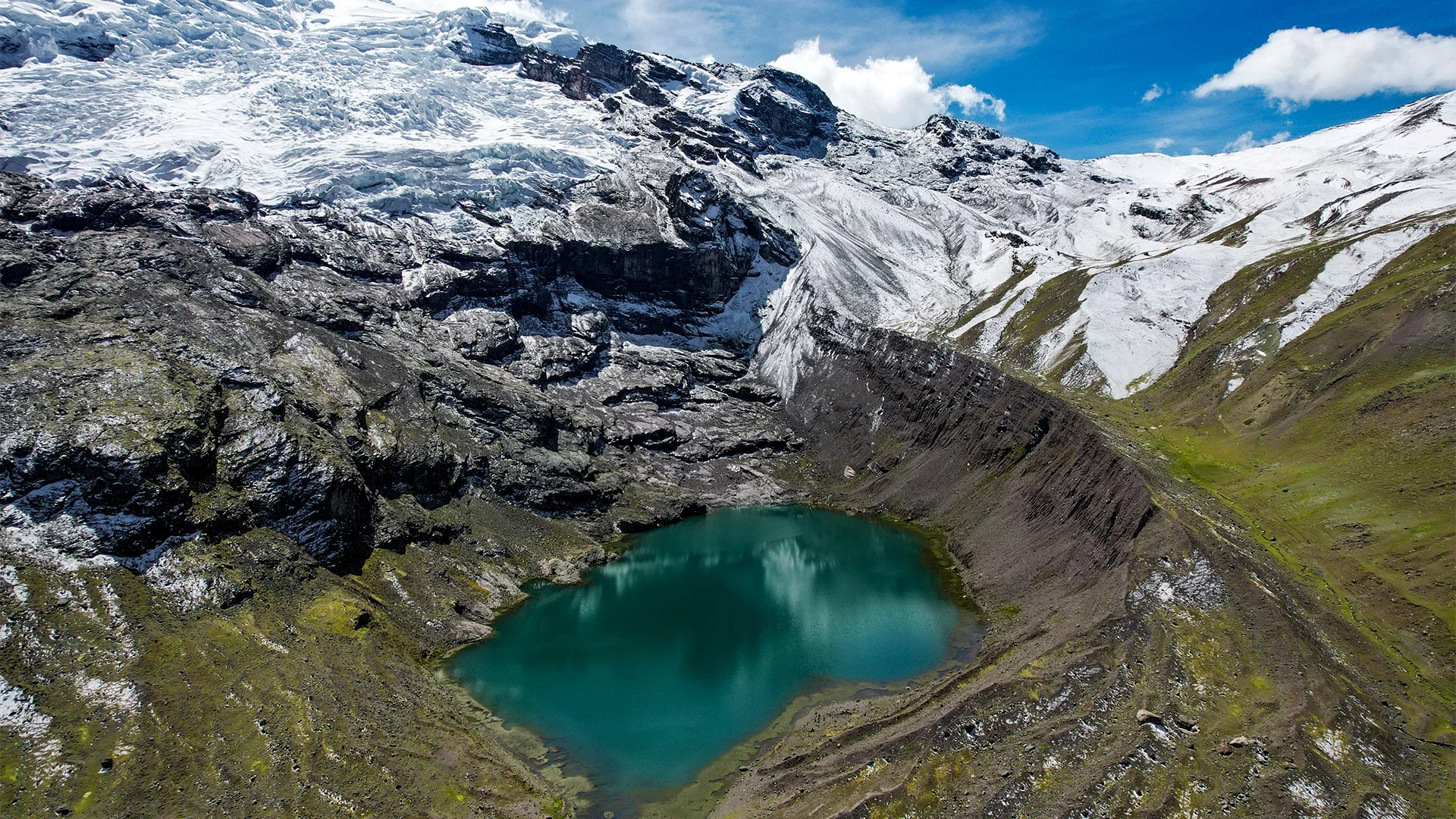
Ausangate Mountain Peru: Complete Guide to the Trek and Glaciers
Ausangate Mountain is one of the most impressive peaks in the Peruvian Andes, surrounded by glaciers, turquoise lakes, snow-capped peaks, and vast high-Andean landscapes. Located southeast of Cusco, this remote destination offers opportunities for hiking, trekking, and exploring the Vilcanota Range.
From a short visit to the glaciers to a multi-day Ausangate Trek, there are different ways to experience the high Andes.
In this Ausangate trek guide, you will learn about the mountain's location, altitude, trekking difficulty, weather, best time to visit, acclimatization, what to pack, and the main attractions around Ausangate.
Ausangate Mountain: General Information
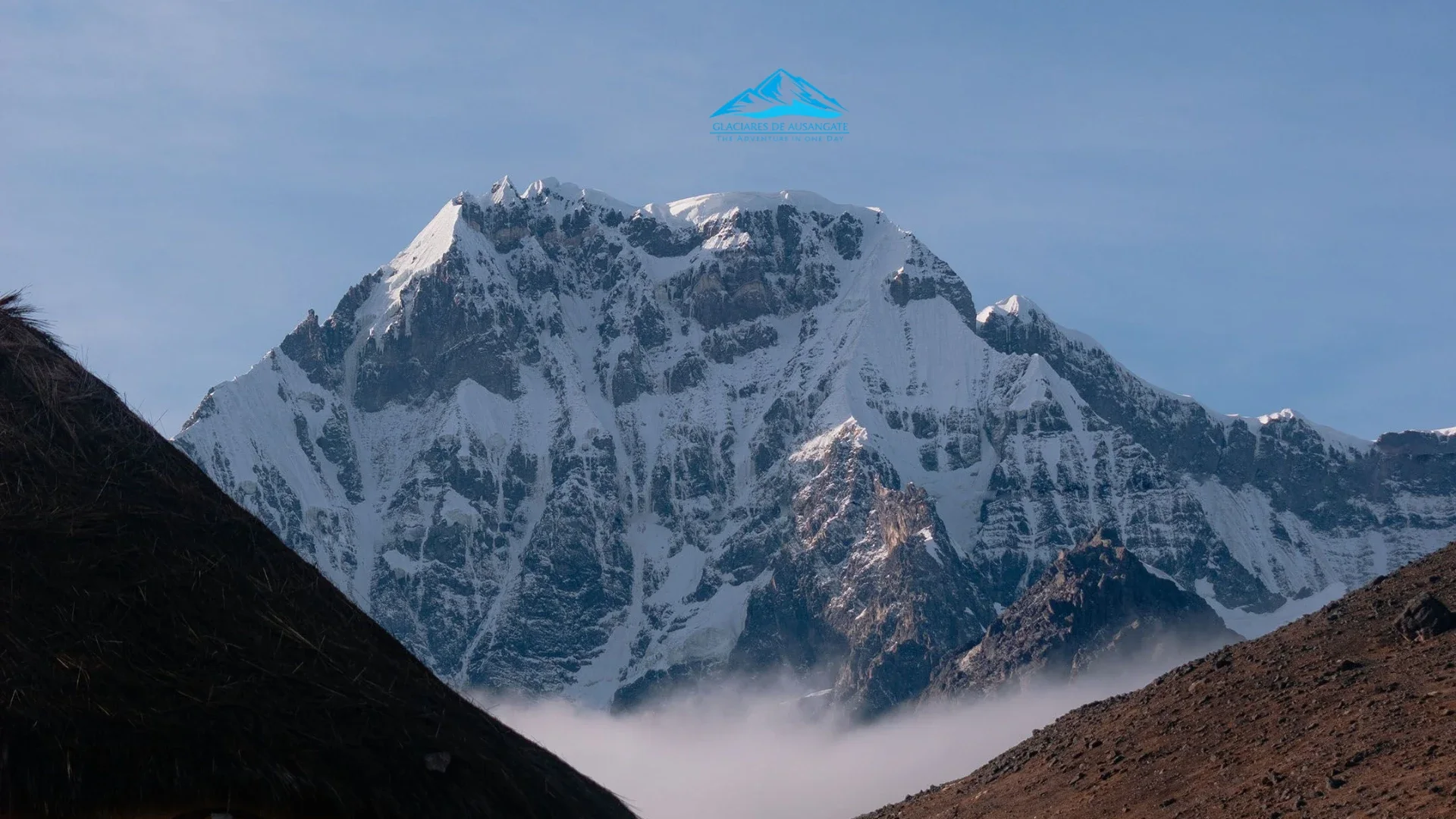
Ausangate Mountain is the highest mountain in the Cusco region and one of the most recognizable peaks of the Vilcanota Range.
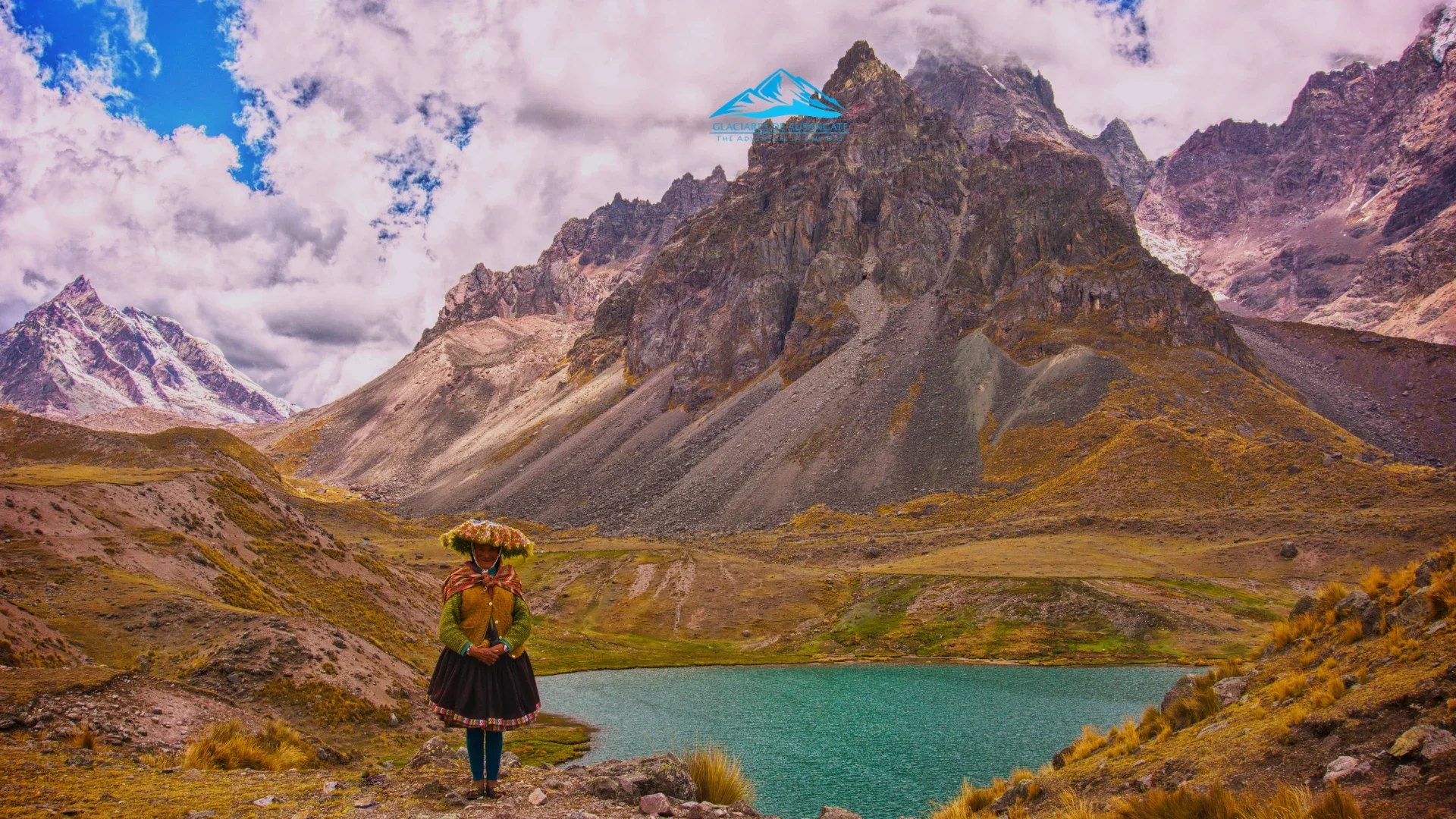
Its glaciers, high-altitude lakes, snow-covered peaks, and remote valleys create a dramatic Andean landscape that attracts travelers interested in nature, hiking, and high-altitude trekking.
Ausangate Mountain at a Glance
Location: Vilcanota Range, Cusco, Peru
Mountain elevation: 6,384 m (20,945 ft)
One-day route altitude: up to approximately 5,100 m (16,732 ft)
Region: Peruvian Andes
Main activities: hiking and trekking
Best season: April to October
The Ausangate altitude is one of the main factors to consider before traveling. The mountain itself reaches 6,384 m, while visitor routes around the glaciers reach lower elevations depending on the itinerary.
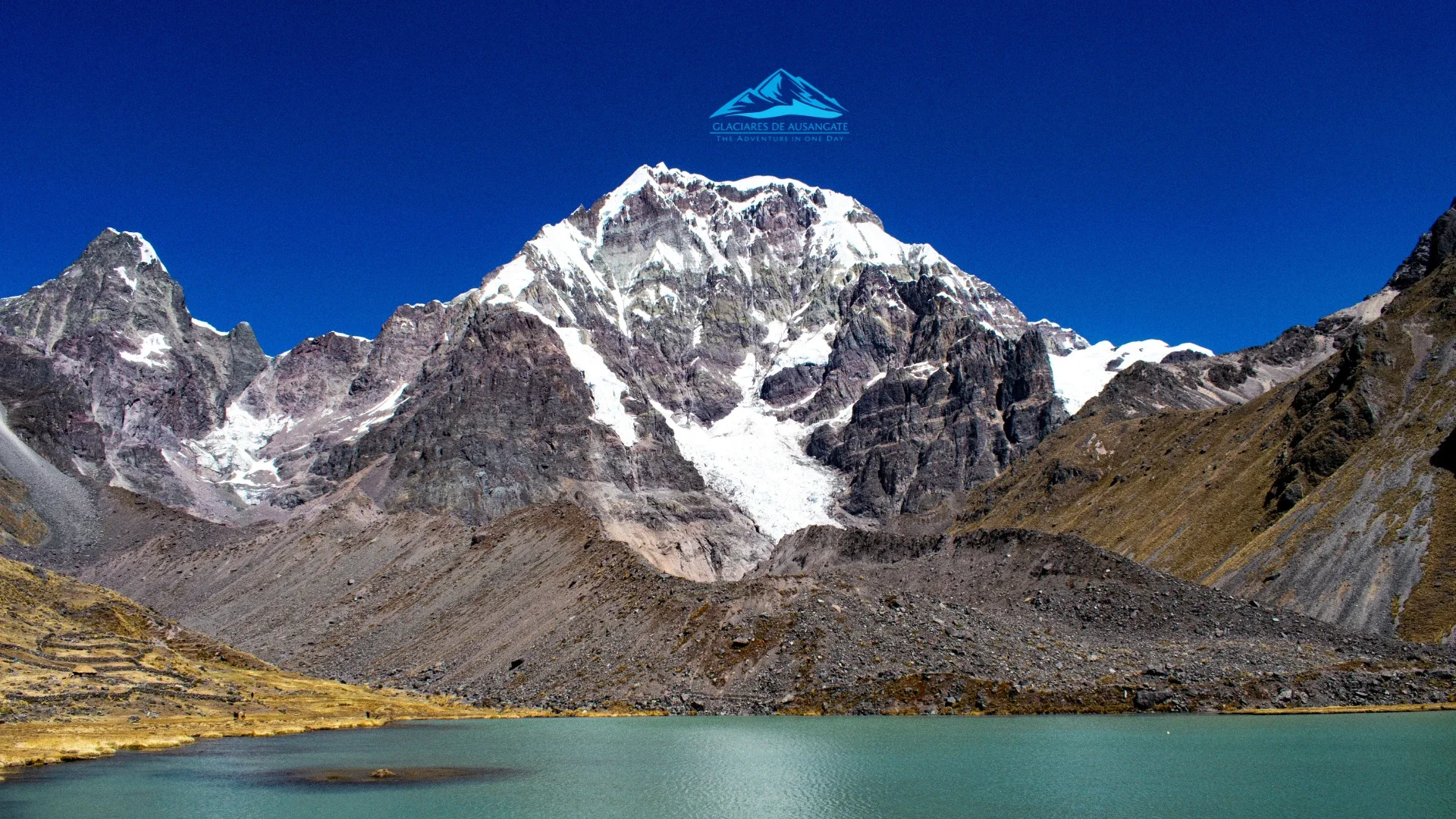
Where Are the Ausangate Glaciers?
The Ausangate Glaciers are located southeast of Cusco, in the Quispicanchi province of Peru. They form part of a high-altitude landscape of ice, glacial lakes, grasslands, and snow-capped peaks.
For local Quechua communities, Ausangate is also an Apu, a sacred and protective mountain with an important spiritual role in the Andean worldview. The surrounding glaciers and water sources also support local ecosystems and communities.
Why Visit Ausangate Mountain?
Ausangate offers a remote high-Andean experience away from the busiest tourist circuits around Cusco.
Visitors come for its glaciers, turquoise lakes, snow-capped peaks, wildlife, and traditional Quechua communities, making it an ideal destination for travelers interested in nature, hiking, and high-altitude landscapes.
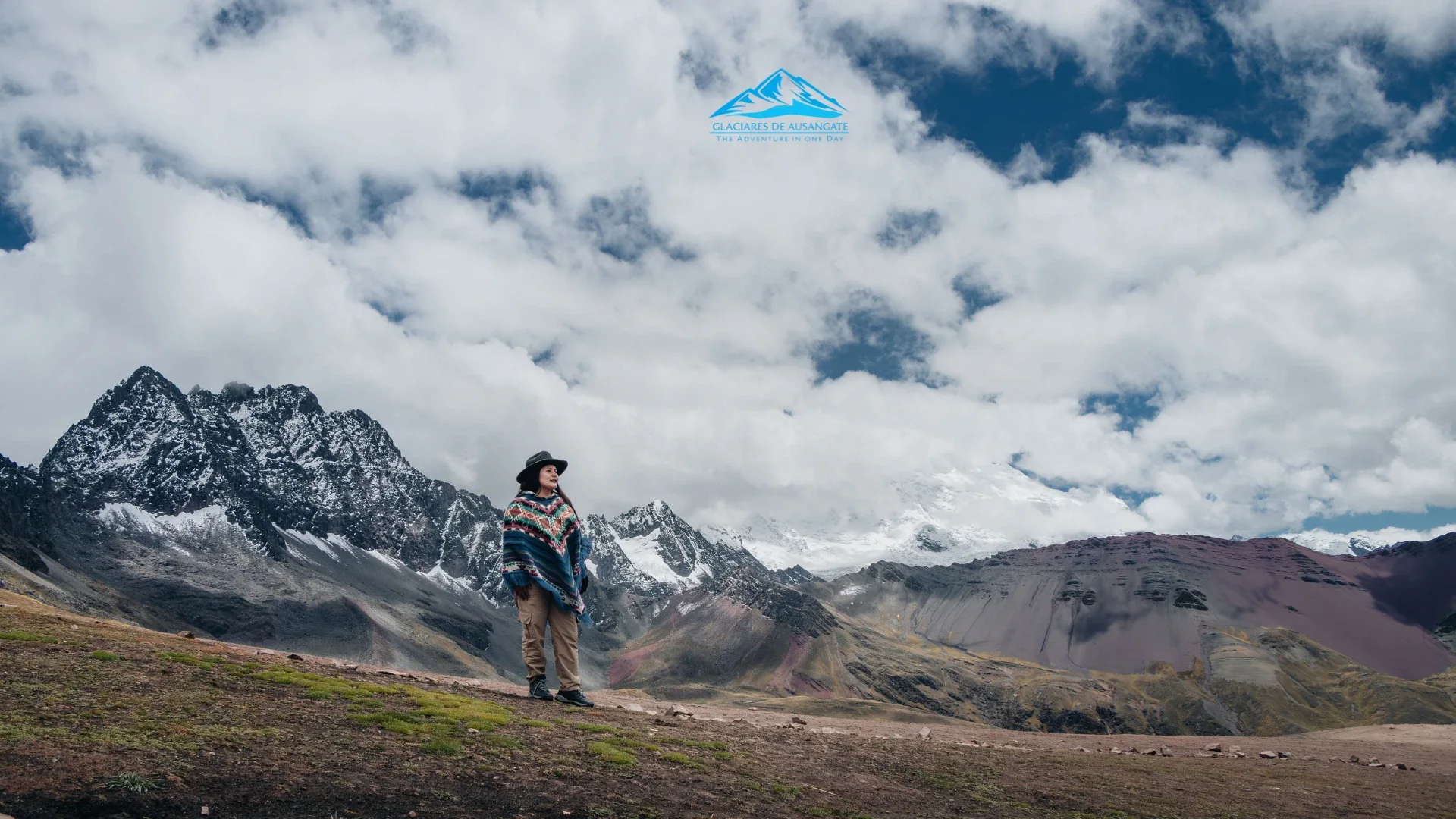
Altitude and Difficulty: What to Know Before Visiting
Ausangate is a high-altitude destination, so altitude is the main factor to consider rather than the length of the hike.
The one-day Ausangate Glacier Tour reaches approximately 5,100 m (16,732 ft) above sea level. The route is suitable for travelers with basic physical fitness, but proper acclimatization is essential.
How Difficult Is the Ausangate Glacier Tour?
The one-day glacier route takes approximately 40 minutes to 1 hour of hiking, depending on your pace and trail conditions.
The walking distance is relatively short, but the elevation can make the hike feel more demanding.
For a more comfortable experience, you should have:
Basic physical fitness
Previous acclimatization
Trekking shoes with good grip
Warm and weather-appropriate clothing
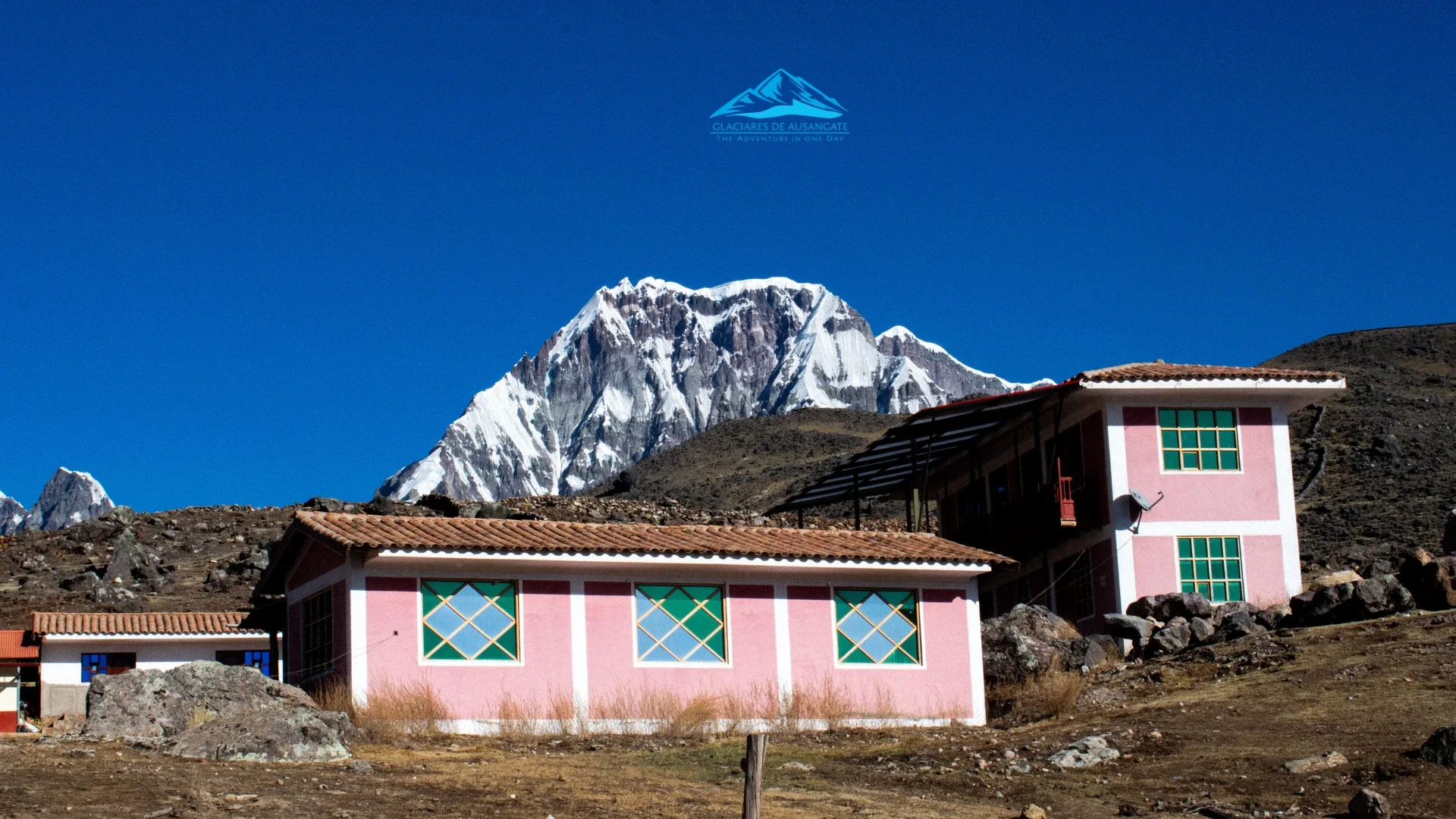
What Is the Ausangate Trek?
The Ausangate Trek is a multi-day high-altitude trekking route through the Vilcanota Range. It is more demanding than a one-day glacier visit and requires greater physical preparation.
If you are looking for a longer adventure, the trek offers a deeper experience of the surrounding Andean landscape, glaciers, lakes, and high-altitude passes.
Altitude Acclimatization and Altitude Sickness
High altitude is one of the main considerations when planning a visit to Ausangate. Proper acclimatization helps your body adjust to the lower oxygen levels found at high elevations.
How High Is Ausangate Mountain?
Point | Elevation |
|---|---|
Ausangate Mountain | 6,384 m (20,945 ft) |
One-day glacier route | Up to approx. 5,100 m (16,732 ft) |
Qorisonqo Lake | Approx. 4,800 m (15,748 ft) |
Planning to spend time in Cusco before visiting Ausangate? Read our complete guide on how to acclimatize in Cusco and prevent altitude sickness.
Local Tip: At Ausangate's extreme elevation, proper acclimatization is more important than previous trekking experience.
Ausangate Weather and Best Time to Visit
The best time to visit Ausangate is generally April to October, during the dry season.
Dry Season: April to October
These months generally offer better conditions for hiking, with less rainfall and clearer mountain views. Temperatures remain cold, especially at night and at higher elevations.
Rainy Season: November to March
Rainfall is more frequent during these months, and mountain conditions can change quickly. Trails may become wetter and visibility less predictable.
What to Pack for the Ausangate Glaciers
Conditions at high altitude can change quickly, so warm and weather-appropriate clothing is essential.
Essential Items
For a one-day visit, we recommend bringing:
Thermal base layer
Fleece or warm mid-layer
Waterproof or windproof jacket
Comfortable trekking pants
Trekking shoes or boots with good grip
Warm hat and gloves
Sun hat or cap
UV-protection sunglasses
High-SPF sunscreen
Reusable water bottle or thermos
Energy snacks
Small daypack
Main Attractions Around Ausangate Mountain
The main attractions around Ausangate are connected to its glaciers, lakes, wildlife, and high-Andean landscapes.
Ausangate Glacier
The Ausangate Glacier landscape is one of the defining features of the region. Glaciers, snow-capped peaks, grasslands, and turquoise lakes create a dramatic high-Andean environment.
Ausangate Lake
Ausangate Lake is known for its turquoise waters and spectacular mountain surroundings. Its glacial origin and location among the snow-capped peaks make it a scenic highlight for nature and photography.
Qorisonqo Lake
Qorisonqo Lake is located at approximately 4,800 m (15,748 ft) above sea level. Its intense turquoise color contrasts with the surrounding mountains and nearby glacier.
Wildlife and High-Andean Landscapes
The Ausangate region is home to wildlife adapted to extreme elevations, including alpacas, llamas, and vicuñas.
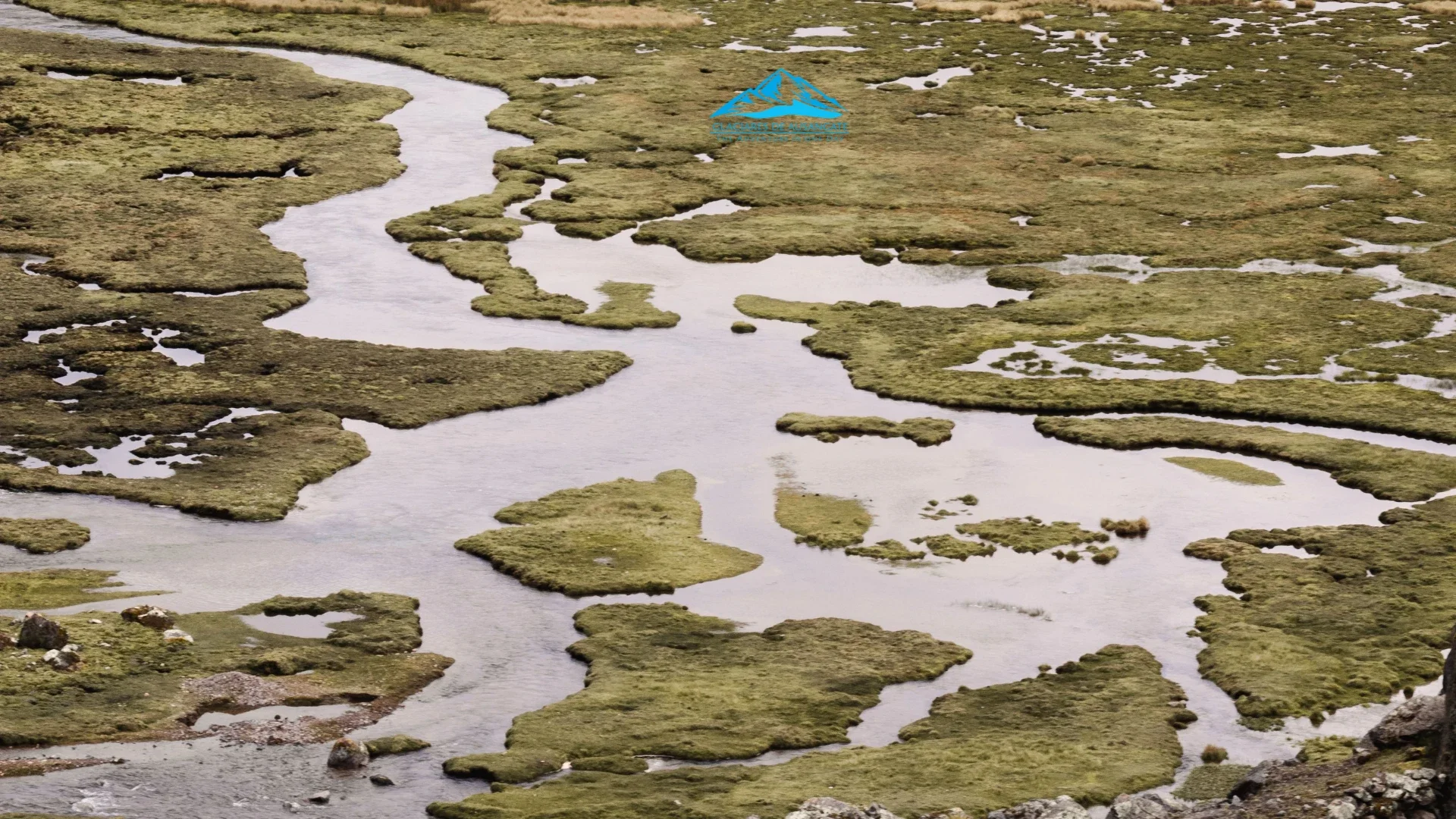
The combination of wildlife, grasslands, glaciers, and snow-capped mountains creates a distinctive high-Andean ecosystem.
Responsible and Sustainable Tourism in Ausangate
Ausangate is a fragile high-Andean ecosystem that supports wildlife, water resources, local communities, and traditional activities. Responsible tourism helps protect this environment.
Protecting the High-Andean Ecosystem
During your visit:
Do not leave waste behind.
Stay on established trails.
Do not damage vegetation.
Do not disturb wildlife.
Do not take rocks, plants, or other natural materials.
Keep a safe distance from glaciers and ice formations.
Respecting Wildlife and Local Communities
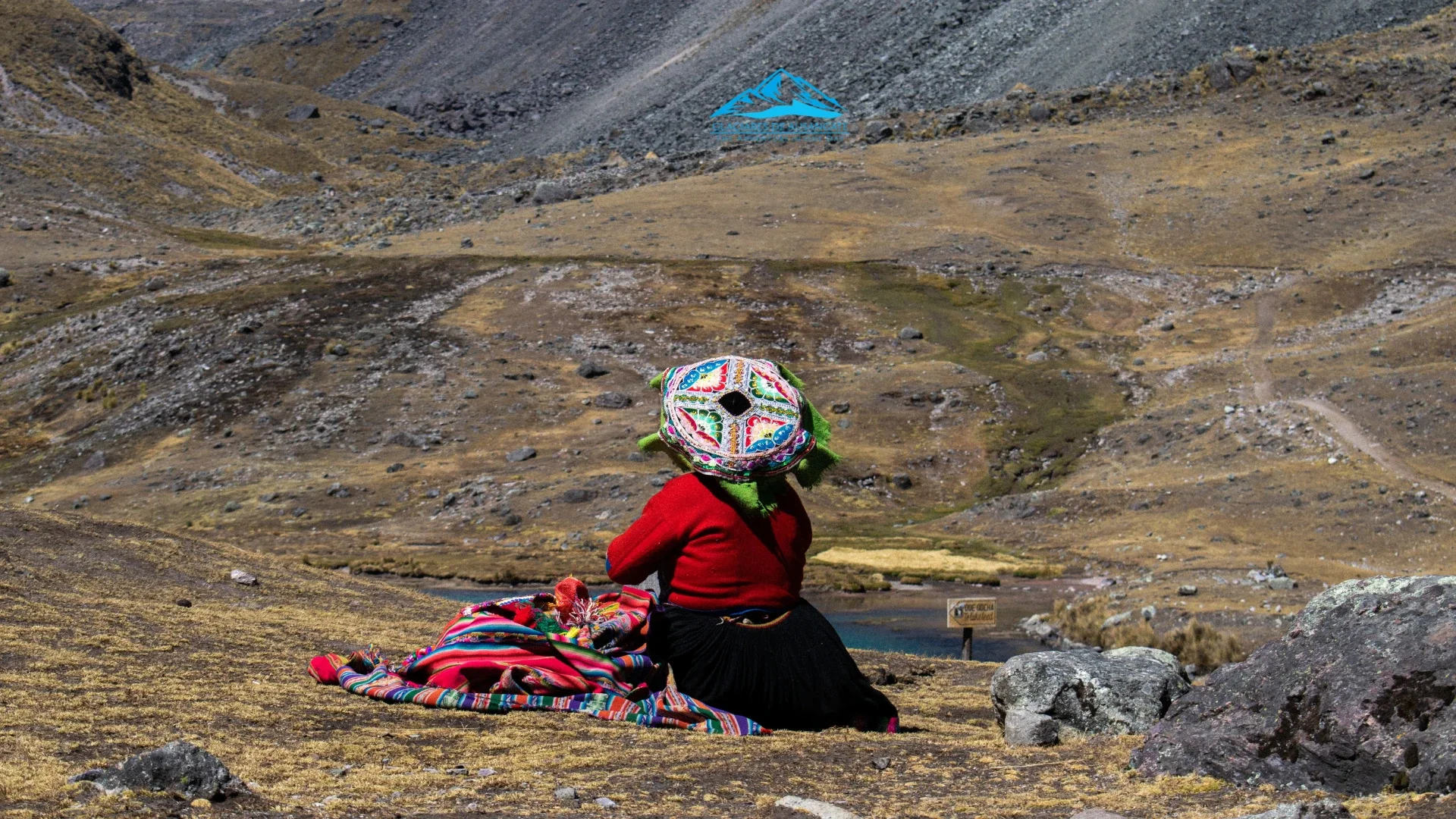
Ausangate is also a cultural landscape. Respect Quechua communities, local traditions, private property, and residents' daily activities.
Always follow your guide's recommendations and avoid interfering with wildlife or community activities.
FAQ
How high is Ausangate Mountain?
Ausangate Mountain reaches 6,384 m (20,945 ft) above sea level. Visitor routes around the glaciers can reach approximately 5,100 m (16,732 ft).
Where is Ausangate Mountain located?
Ausangate is located in the Vilcanota Range, southeast of Cusco, Peru, in the Quispicanchi province.
Is the Ausangate Glacier Tour difficult?
The one-day route is relatively short, taking about 40 minutes to 1 hour of hiking. The main challenge is the high altitude.
Do I need to acclimatize before visiting Ausangate?
Yes. Proper acclimatization is important because the route reaches approximately 5,100 m (16,732 ft).
What is the best time to visit Ausangate?
The best time is generally April to October, during the dry season, when hiking conditions are usually more favorable.
What should I wear for Ausangate?
Wear warm layers, a waterproof jacket, trekking shoes, gloves, a warm hat, sunglasses, and sunscreen.
Can I visit Ausangate without trekking experience?
Yes. The one-day glacier route does not require previous trekking experience, but you should have basic fitness and be properly acclimatized.
Discussions
No comments yet.
Leave your opinion
Have an account? to comment with your profile